Introduction
In pressure vessel and refinery applications, material failure is not an option. Equipment is often exposed to hydrogen sulphide–rich environments, fluctuating pressures, and corrosive media that can severely damage conventional carbon steel. Carbon Steel SA 516 Grade 60 HIC Steel Plates are specifically developed to overcome these challenges. Designed to resist hydrogen-induced cracking, these plates are trusted in critical sour service operations where safety, durability, and consistency are essential.
Body
Carbon Steel SA 516 Grade 60 HIC Steel Plates are produced under controlled metallurgical processes that significantly reduce the risk of internal cracking caused by hydrogen absorption. Hydrogen-induced cracking occurs when atomic hydrogen penetrates the steel and accumulates at internal defects, leading to blistering and cracking over time. To prevent this, HIC-tested plates are manufactured with low sulphur content, controlled inclusions, and optimized microstructure.
Grade 60 within the SA 516 specification offers a balanced combination of strength, toughness, and formability. It is well-suited for moderate-pressure applications while still delivering reliable performance in corrosive environments. These plates are tested as per stringent HIC and SSC (sulphide stress cracking) requirements, ensuring suitability for sour gas and sour crude processing systems.
The material also demonstrates excellent notch toughness, which helps prevent brittle fracture during pressure variations and temperature changes. Its stable mechanical properties make it easy to fabricate, weld, and form into complex pressure-retaining components without compromising performance. As a result, SA 516 Grade 60 HIC plates are widely accepted in industries governed by strict safety and quality standards.
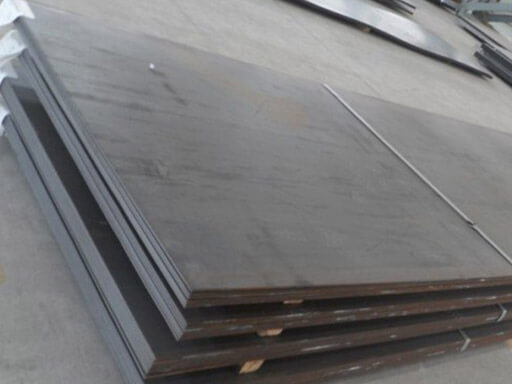
Key Features of Carbon Steel SA 516 Grade 60 HIC Steel Plates
High resistance to hydrogen-induced cracking
Low sulphur and controlled chemical composition
Excellent notch toughness and ductility
Reliable performance in sour service environments
Good weldability and fabrication properties
Consistent mechanical strength under pressure
These features ensure long-term structural integrity in aggressive operating conditions.
Types of SA 516 Grade 60 HIC Steel Plates
Depending on application requirements, SA 516 Grade 60 HIC steel plates are available in different forms, such as:
Normalized HIC Plates – Improved grain structure and toughness
As-Rolled HIC Plates – Suitable for standard sour service conditions
NACE-Compliant HIC Plates – Manufactured to meet sour service standards
Custom Thickness Plates – Tailored for specific pressure vessel designs
This range allows engineers to select the most suitable plate for their operating environment.
Applications of Carbon Steel SA 516 Grade 60 HIC Steel Plates
These plates are widely used in industries where exposure to hydrogen sulphide and corrosive fluids is common, including:
Oil and gas refineries
Pressure vessels and reactors
Petrochemical processing plants
Separators and storage tanks
Heat exchangers and boilers
Offshore and onshore energy facilities
Their proven resistance to cracking ensures safe and reliable operation over extended service periods.
Conclusion
Carbon Steel SA 516 Grade 60 HIC Steel Plates provide a dependable solution for pressure equipment operating in sour service environments. Their resistance to hydrogen-induced cracking, combined with good strength and fabrication ease, makes them a preferred choice for critical industrial applications. By choosing SA 516 Grade 60 HIC plates, industries enhance safety, extend equipment life, and ensure uninterrupted performance in challenging corrosive conditions.